Australia’s electric vehicle (EV) market is evolving rapidly, and charging infrastructure is at the centre of that transformation. As more Australians shift toward electric cars, the way we power these vehicles is changing—at home, at work, and on the road. Understanding where EV charging is heading helps drivers, businesses, and policymakers prepare for what’s next.
Growing Demand for EV Charging Infrastructure
EV adoption in Australia has accelerated over the past few years, driven by rising fuel costs, environmental awareness, and improved vehicle options. With this growth comes increased pressure on charging networks. Public chargers are expanding across highways, shopping centres, and urban hubs, while residential charging is becoming a standard consideration for new homes and renovations.
Government incentives at both federal and state levels are also playing a key role. Funding programs support fast-charging corridors, workplace chargers, and regional installations—helping close the gap between metro and rural access.
Home Charging Will Remain the Backbone
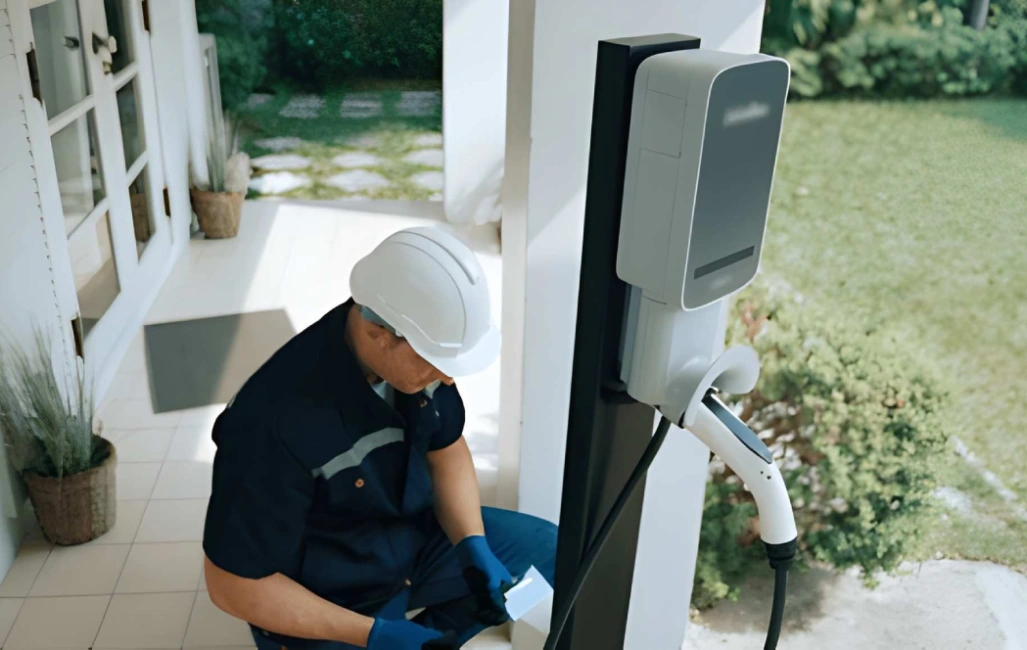
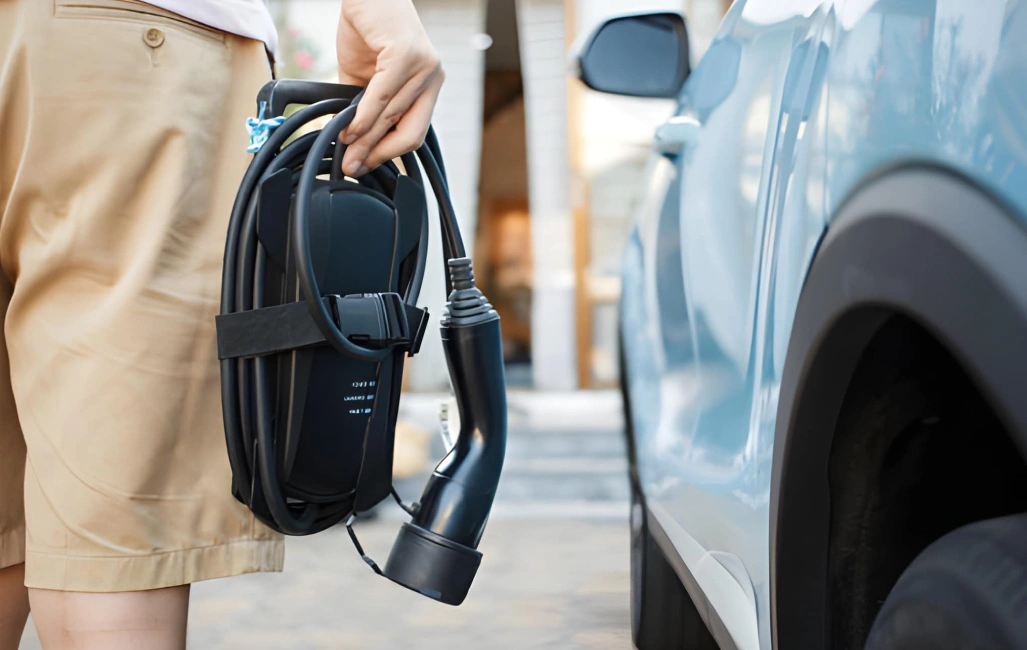
Despite the growth of public infrastructure, home charging will continue to be the primary charging method for most Australians. Overnight charging offers convenience, lower electricity costs, and reduced reliance on public stations. Smart chargers are becoming more common, allowing users to schedule charging during off-peak hours and monitor energy use through mobile apps.
Solar integration is another major trend. Many households are pairing EV chargers with rooftop solar systems, enabling drivers to power their vehicles with renewable energy while reducing household electricity bills.
Expansion of Fast-Charging Networks
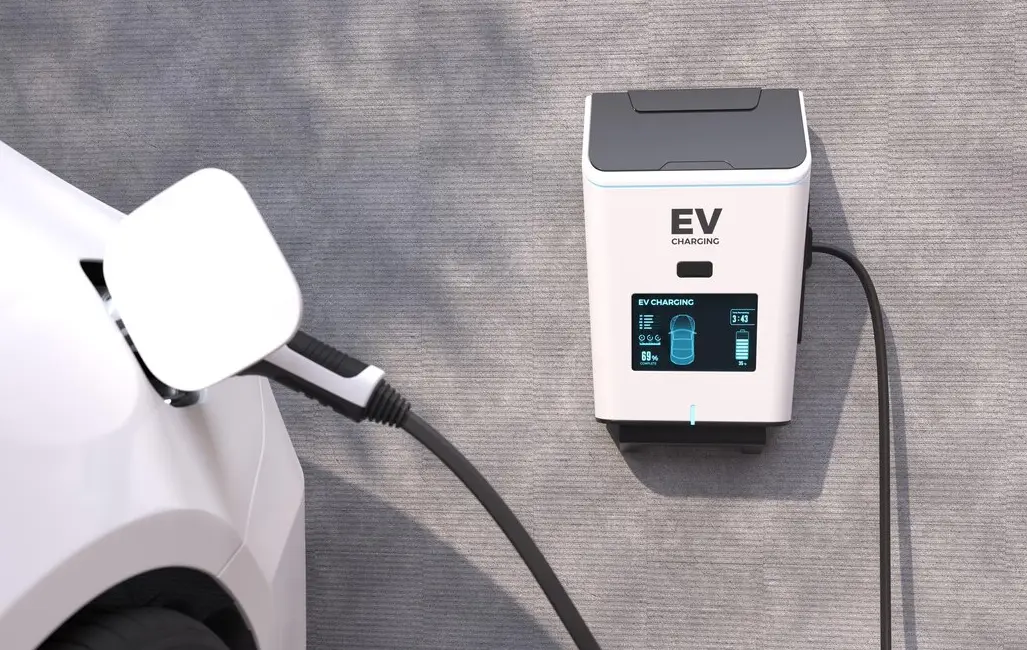
Fast chargers are critical for long-distance travel and commercial fleets. Australia is seeing increased investment in DC fast-charging stations capable of delivering 80% charge in under 30 minutes. These chargers are being strategically installed along major highways, freight routes, and regional centres to support intercity travel.
Future fast-charging developments will likely focus on higher power outputs, shorter wait times, and better reliability—addressing one of the biggest concerns for EV drivers: charging availability during peak travel periods.
Smarter, More Connected Charging Systems
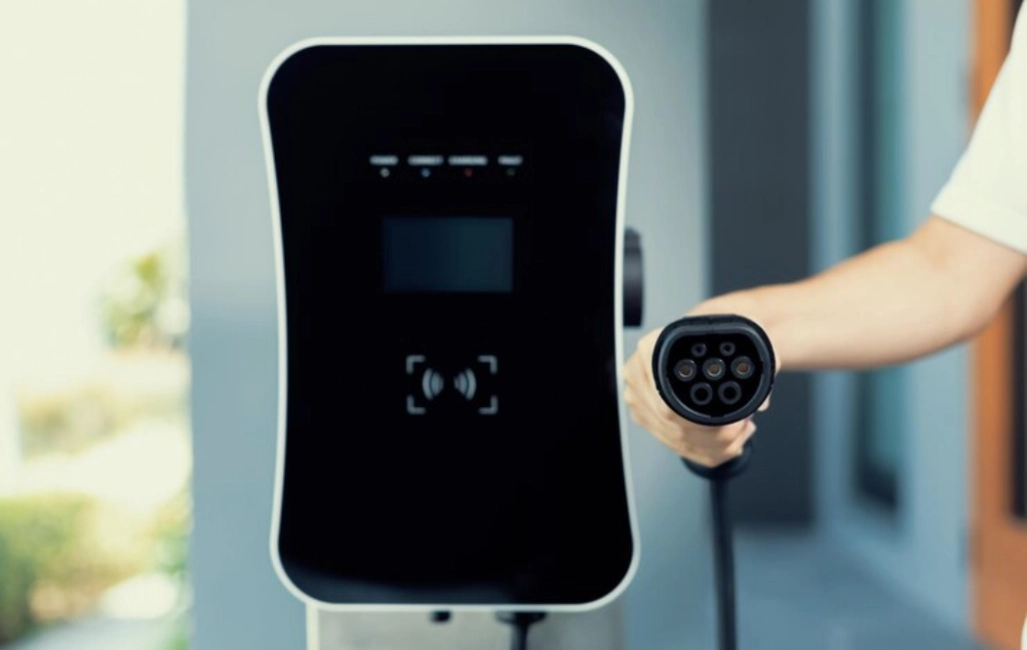
The future of EV charging is not just about speed—it’s about intelligence. Smart charging systems can balance grid demand, prevent overloads, and adapt charging rates based on energy availability. Vehicle-to-grid (V2G) technology is also emerging, allowing EVs to feed power back into the grid during peak demand.
While still in early stages in Australia, these technologies have the potential to stabilise the energy network while giving EV owners more control over how and when they charge.
What the Future Looks Like
As EV adoption continues to grow, charging infrastructure will become more reliable, accessible, and integrated into everyday life. The future of EV charging in Australia points toward a balanced ecosystem—where home charging, public fast chargers, and smart energy management work together to support a cleaner transport future.