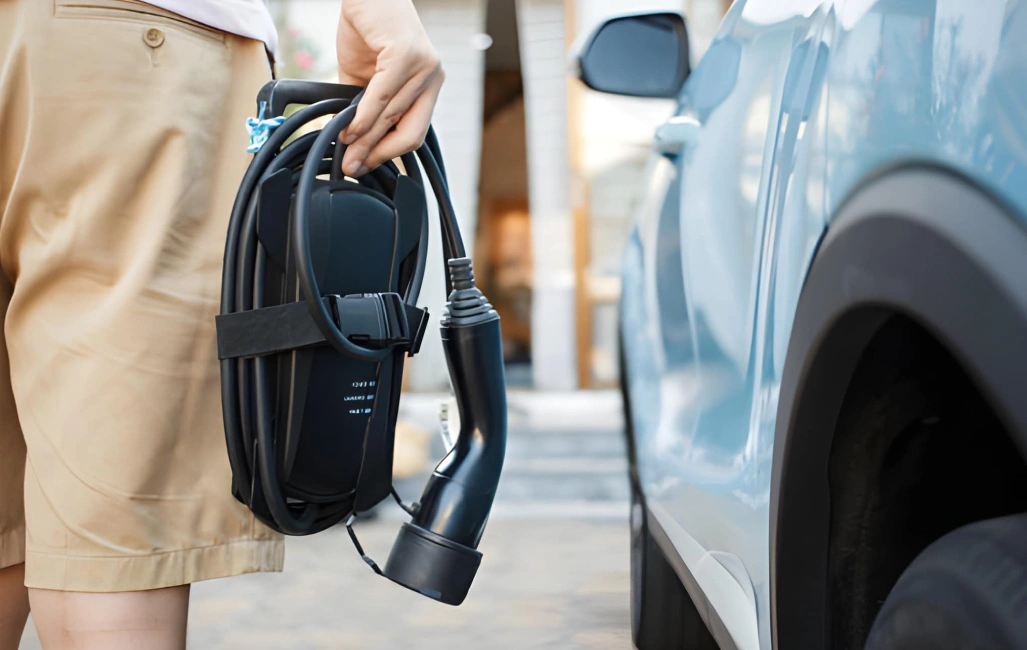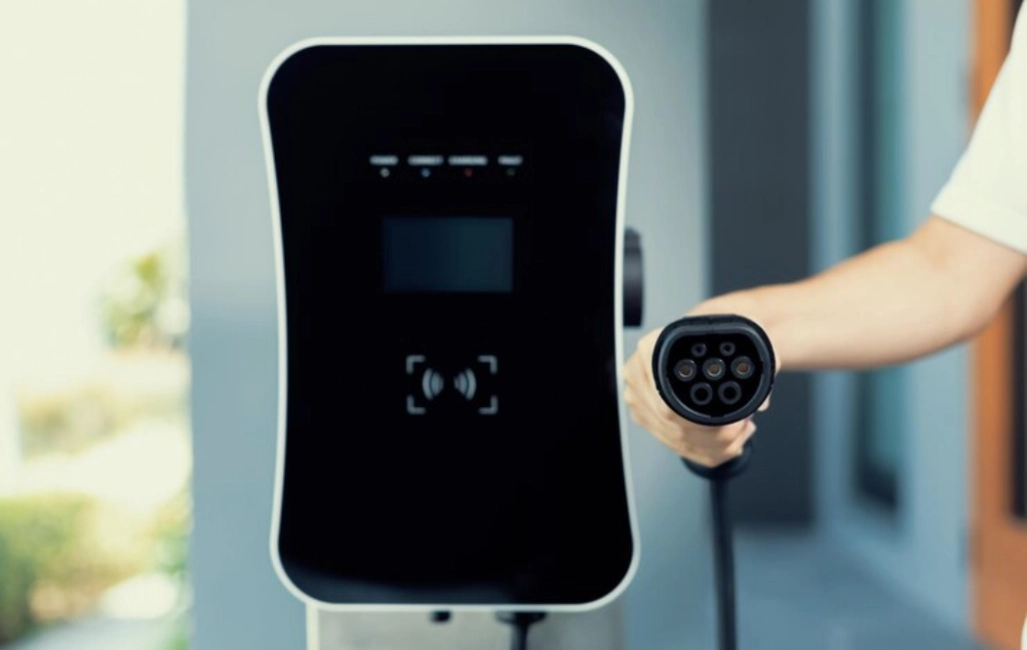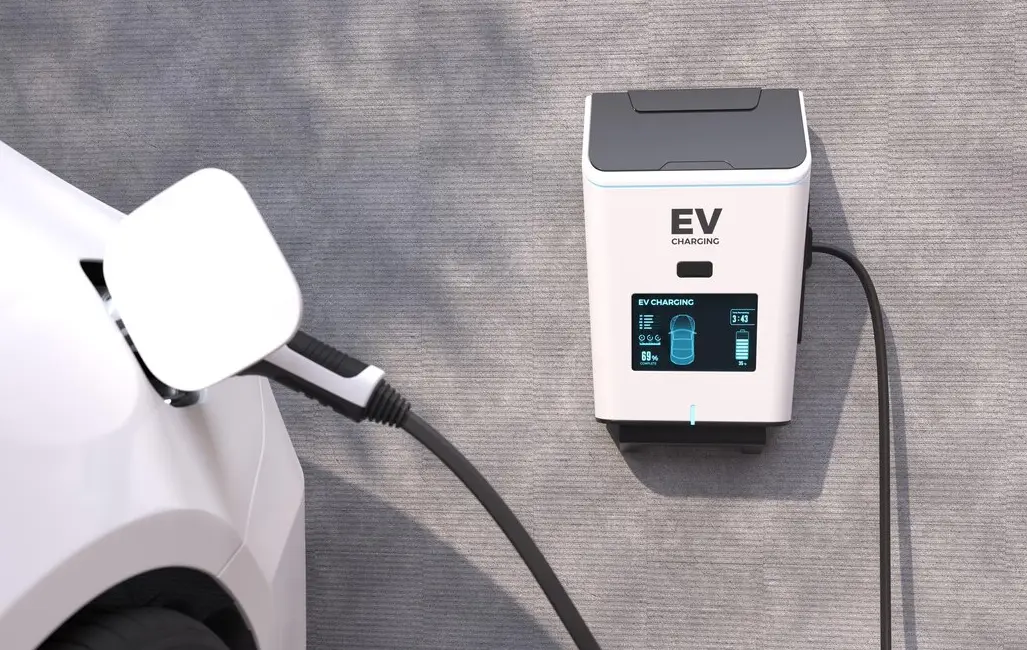
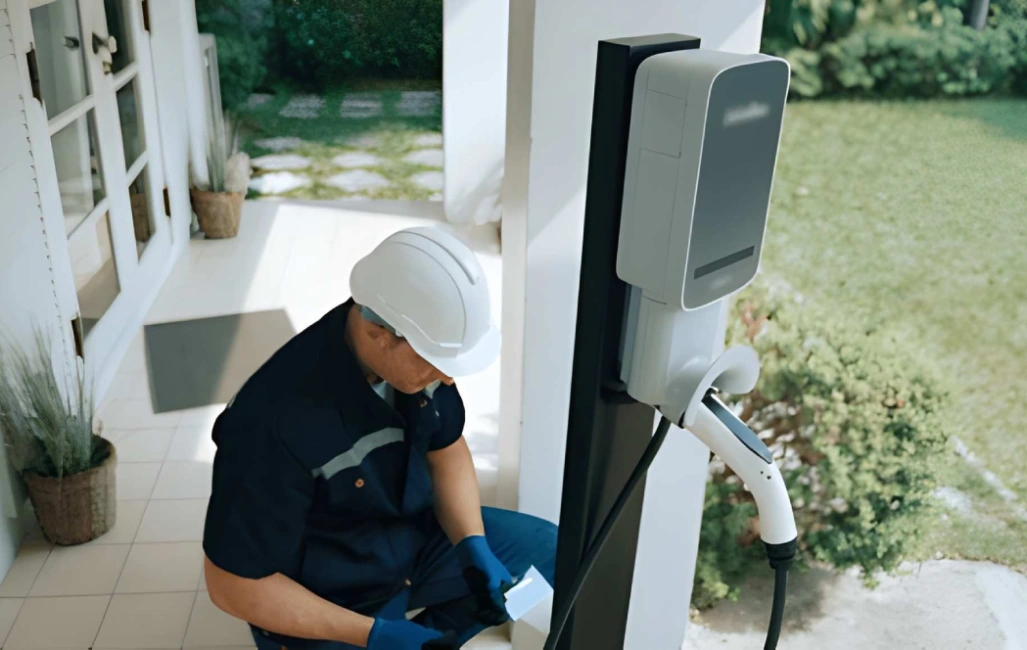
As electric vehicles become more common across Australia, more homeowners are choosing to install their own electric vehicle charger at home. While charging from a standard power point may work short-term, a dedicated EV charger installation offers faster charging, better safety, and long-term convenience.
However, installing an electric car charger isn’t just about picking a unit and plugging it in. There are several important factors to consider to ensure your setup is safe, compliant, and future-proof. Below are six key things every EV owner should think about before installing EV home chargers at their property.
1. Your Home’s Electrical Capacity
One of the first things to assess is whether your home’s electrical system can support a residential EV charger. Many older Australian homes may not have sufficient capacity to handle the extra load from an EV car charger.
Before installation, a licensed electrician will typically check:
- Your main switchboard capacity
- Available circuit space
- Whether an upgrade is required to safely run the charger
Ignoring this step can lead to tripped circuits, overheating, or unsafe charging conditions. In some cases, upgrading the switchboard is necessary to support a modern electric vehicle charger.
2. Choosing the Right Charger Type
Not all electric car charger options are the same. Homeowners usually choose between:
Single-phase chargers
Suitable for most homes and daily charging needs
Three-phase chargers
Faster charging but only compatible with homes that support three-phase power.
Your driving habits matter here. If you drive long distances daily, faster EV home chargers may be worth the investment. For light, overnight charging, a standard unit is often sufficient.
Selecting the right charger upfront avoids unnecessary upgrades later.
3. Charger Location and Cable Reach
Where your charger is installed has a big impact on everyday usability. The charger should be positioned where your vehicle parks most often, whether that’s:
- Inside a garage
- On an exterior wall
- Near a driveway or carport
Consider cable length, ease of access, and weather exposure. A poorly placed electric vehicle charger can quickly become inconvenient, especially for households with more than one EV.
Planning the location carefully ensures your EV charger installation works seamlessly with your routine.
4. Safety and Compliance Requirements
EV charging involves high electrical loads, so safety is critical. In Australia, EV charger installation must comply with strict electrical standards and regulations.
A professional installation should include:
- Dedicated circuits
- Residual Current Devices (RCDs)
- Proper earthing and surge protection
DIY installations or unlicensed work can void warranties and create serious safety risks. Whether it’s a residential EV charger or a commercial EV charger, compliance protects both your vehicle and your property.
5. Smart Features and Future Compatibility
Many modern EV home chargers now include smart features such as:
- Mobile app monitoring
- Scheduled charging during off-peak hours
- Energy usage tracking
- Solar system integration
These features can significantly reduce charging costs and improve efficiency. Choosing a smart electric car charger also helps future-proof your setup as EV technology continues to evolve.
Even if you don’t need these features now, they may become valuable over the life of your vehicle.
6. Installation Costs and Long-Term Value
The cost of EV charger installation varies depending on:
- Charger type and brand
- Electrical upgrades required
- Installation complexity
While cheaper options may seem appealing, quality installation and reliable equipment deliver better long-term value. A properly installed electric vehicle charger improves convenience, adds value to your home, and supports future EV ownership.
For households or businesses with multiple vehicles, commercial EV charger solutions may also be worth considering for scalability.
Final Thoughts
Installing an electric vehicle charger at home is one of the most practical upgrades an EV owner can make. By considering your electrical capacity, charger type, safety requirements, and future needs, you can ensure your EV car charger setup is reliable, efficient, and built to last.
Taking the time to plan properly — and working with qualified professionals — ensures your residential EV charger delivers safe, fast, and hassle-free charging for years to come.