EV chargers are often categorised as standard or fast, but the difference goes beyond charging speed. Understanding how each type works helps Australian drivers choose the right solution for home, business, or public use.
What Are Standard EV Chargers?
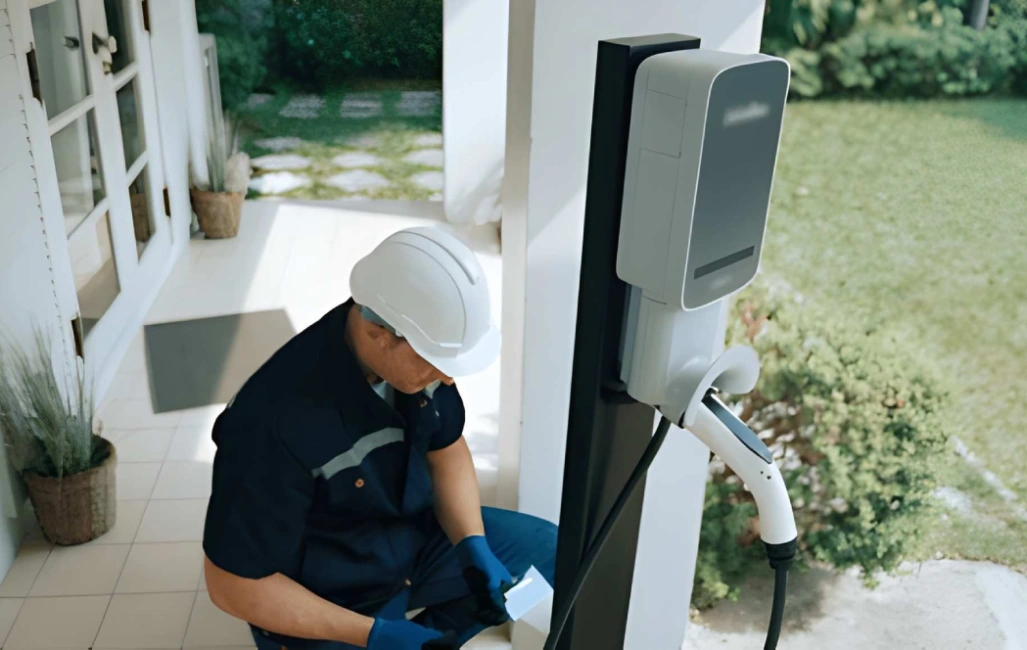
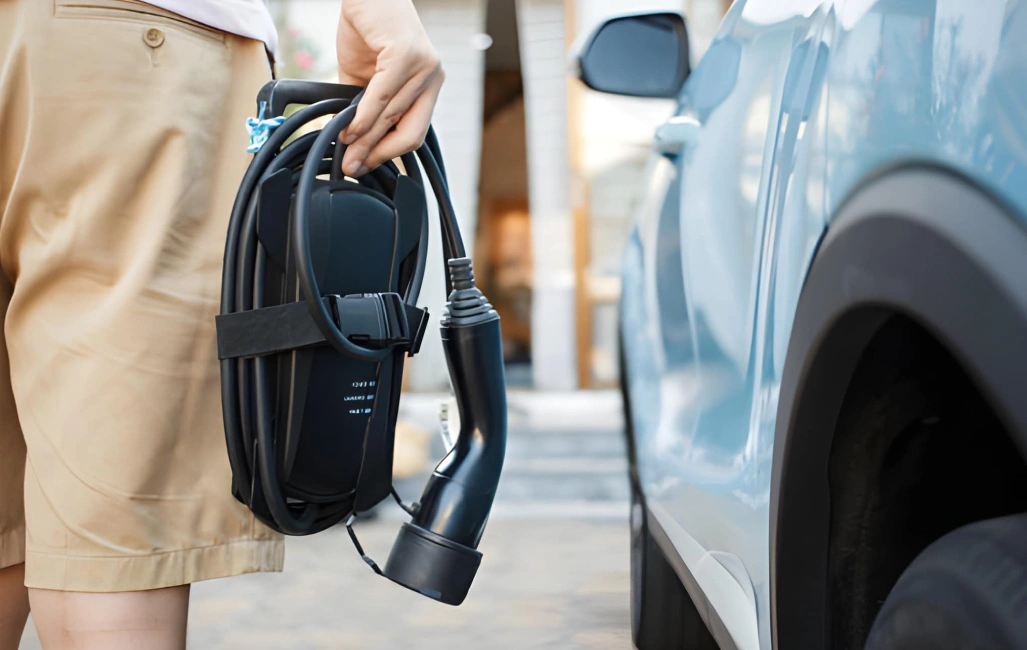
Standard chargers—often Level 1 or Level 2—are commonly used for home charging. They deliver power at a slower rate, making them ideal for overnight charging.
Key characteristics:
- Lower installation cost
- Ideal for daily commuting
- Minimal impact on household electrical systems
For drivers with predictable routines, standard chargers provide sufficient range replenishment without urgency.
What Are Fast EV Chargers?
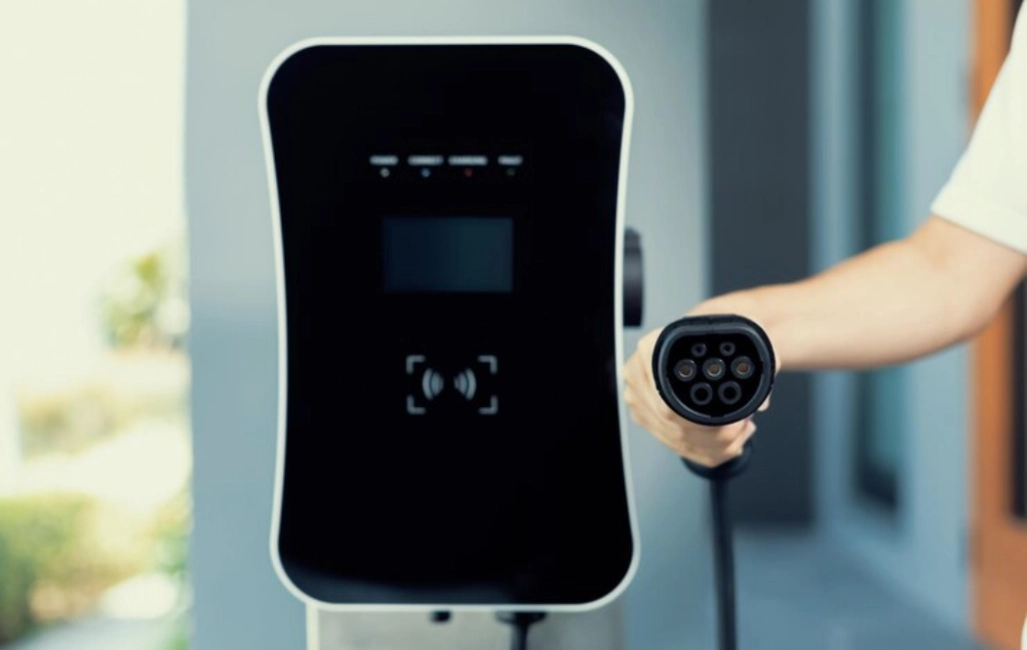
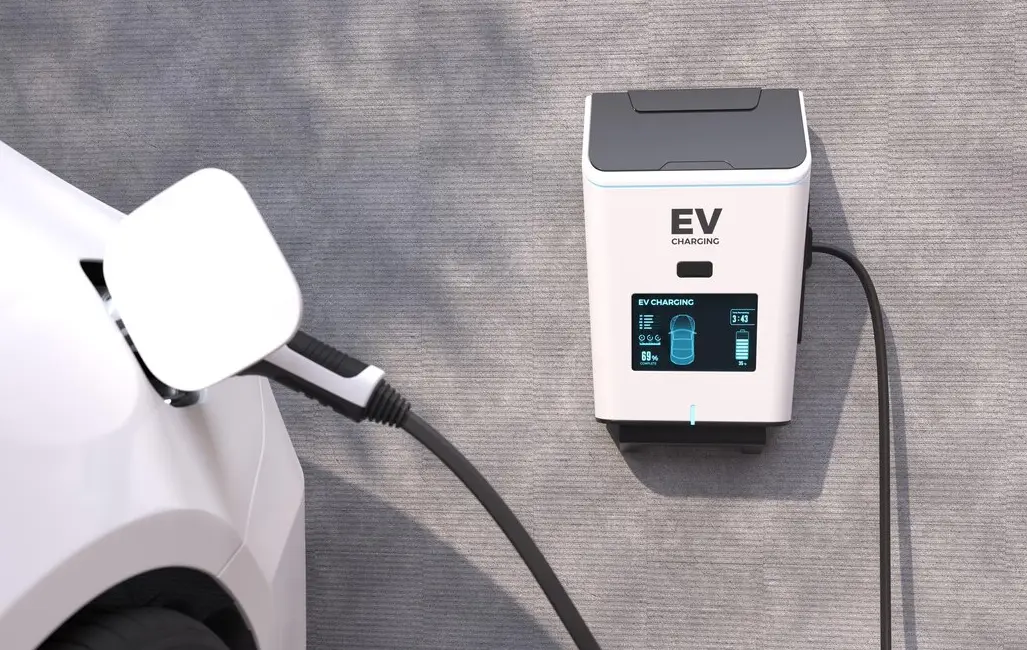
Fast chargers, typically DC chargers, deliver high power output and are designed for rapid charging. These are most commonly found in public charging stations and commercial facilities.
Advantages include:
- Rapid charge times
- Essential for long-distance travel
- Suitable for fleets and high-use vehicles
However, fast chargers are more expensive to install and place higher demand on electrical infrastructure.
Charging Speed vs Practical Use
Fast chargers are invaluable on highways and busy locations, but they’re not always necessary for daily use. Standard chargers meet the needs of most private EV owners, while fast chargers support mobility beyond city limits.
Impact on Battery Health
Frequent fast charging can contribute to increased battery wear over time. Many manufacturers recommend using fast chargers occasionally rather than as a daily solution.
Choosing the Right Charger
Standard chargers suit homes and workplaces, while fast chargers support public infrastructure and commercial operations. Understanding your driving habits is the key to choosing wisely.